
- Offer Profile
-
Engineered for Recycling. Designed for Future
At URT, we develop recycling technology that lasts – driven by conviction, responsibility and a clear view of the bigger picture.
Only when a solution is well thought out, safe, economically viable and implemented with integrity can it truly contribute to a better future. That’s what we stand for – and have for over 30 years.
For our customers, this means: reliable processes, tailor-made solutions and partnerships built on trust and mutual respect. For us, it means: always moving forward. Questioning the status quo. Not just developing technology, but understanding its broader impact.
Visit us on:

Lithium-Ion Batteries
-
Highest Recovery Rates. Maximum Process Reliability. Flexibly Scaleable.
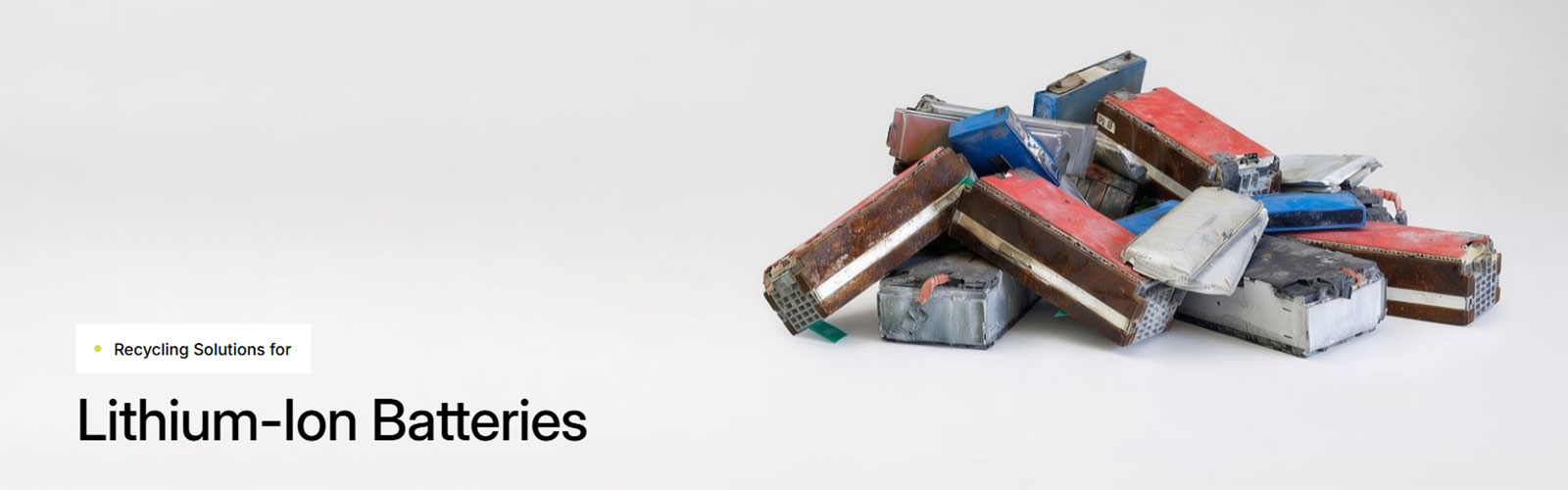
We develop and deliver recycling plants for lithium-ion batteries that combine safe depollution, high recovery rates and economically viable operation. For more than ten years, plant concepts have been developed for a demanding material stream where safety requirements, regulatory frameworks and industrial process stability must be consistently aligned. The result is modular and scalable solutions adaptable to different cell chemistries, throughput capacities and site specific conditions.
Key Advantages:
- Over 98% Recovery Rate of Black Mass
- Maximum Operational Safety and Compliance (EHS)
- High Purity of Output Fractions
- Efficient Emission and Solvent Treatment
- Process Know How from Industrail Practice
- High Degree of Automation
- Modular Design and Long Term Adaptability
Our Recycling Process for Lithium-Ion Batteries
Discharging & Dismantling
-
Batteries are safely discharged and dismantled by the customer in advance to remove residual energy, separate components and prepare the material for subsequent processing.

Inert Shredding
-
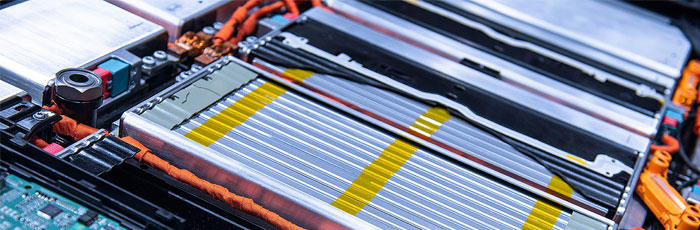
Shredding is carried out under a nitrogen atmosphere in a closed system. This ensures reliable compliance with high requirements for process safety and explosion protection. Closed material handling and controlled process conditions form the basis for safe mechanical processing.
Thermo-mechanical Drying
-
During thermomechanical drying, electrolytes and in particular organic solvents are evaporated in a controlled manner, condensed and transferred to a downstream treatment system. The targeted removal of these components is a key prerequisite for subsequent mechanical separation and the quality of the resulting material streams.
Sieving
-
The dried material is classified by screening processes to separate different particle sizes. This creates the basis for stable and reproducible downstream processing in subsequent separation stages.
Black Mass Recovery
-
The separated fine fraction is collected as black mass and transferred to suitable container systems. A dry and defined material condition is ensured, suitable for transport, storage and downstream processing.
Heavy and Light Separation
-
The remaining material streams are separated into light and heavy fractions using mechanical separation processes. Based on this, further processing into defined material streams such as ferrous metals, non ferrous metals and plastics is carried out.
Regenerative Thermal Oxidation
-
Volatile compounds released during thermal treatment are captured and transferred to a downstream exhaust air system. Treatment is carried out, among other methods, by regenerative thermal oxidation to ensure compliance with emission requirements.
Electric and Electronical Waste (WEEE Recycling)

- We develop and operate recycling plants for the targeted primary and downstream treatment of electric and electronical waste in compliance with WEEE standards.
Primary Treatment
- URT plants for primary treatment combine in depth process expertise with economic thinking. Each line is designed not only to meet regulatory requirements, but also to create stable operating conditions over the long term.
Cooling Devices
-
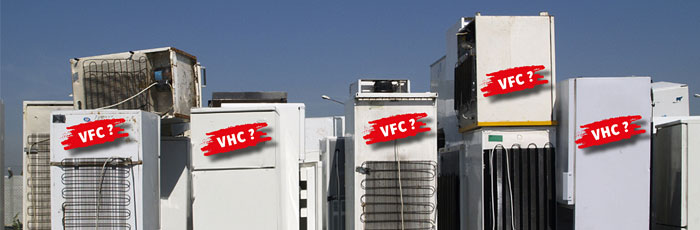
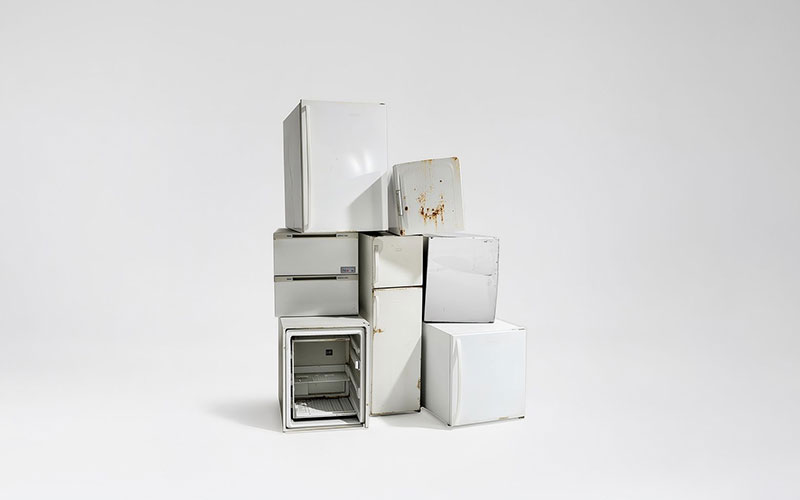
The recycling of cooling devices requires reliable depollution processes and controlled extraction of refrigerants, oil and blowing agents. These substances must be safely removed while enabling the efficient recovery of valuable secondary raw materials.
At the same time, the composition of cooling device streams is changing. Older appliances often contain halogenated blowing agents (VFC), while newer generations increasingly use halogen-free hydrocarbons (VHC) such as pentane or isobutane.
Our technologies enable both the treatment of mixed appliance streams and the efficient processing of devices containing exclusively VHC blowing agents. By combining robust mechanical processing with precise gas management and modular plant architecture, URT plants ensure reliable depollution, stable operating conditions and efficient recovery of secondary raw materials.

IT, Small and Big Domestic Appliances
-
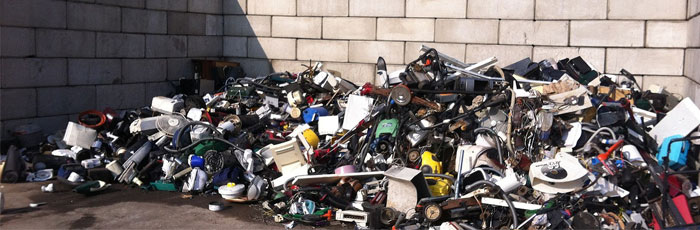
URT provides modular recycling concepts that combine reliable depollution with scalable material separation.
The concept is based on three processing levels. Each level builds on the previous one and increases the depth of material separation. With every additional step, output fractions become more defined and can achieve higher market value.
Operators can decide how far to go in the sorting process depending on their business model, downstream partners and the economic benefit of further refinement.
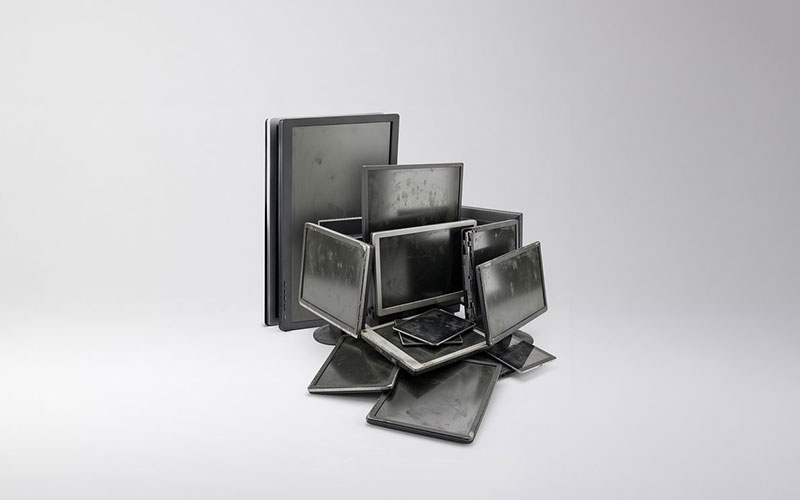
LC-Displays
-
URT provides dismantling workstations for the safe processing of LCD displays, including mercury removal in compliance with TRGS 900.
With the transition from CRT to LC flat panel displays, the requirements for safe and compliant recycling have increased significantly. In particular, mercury containing backlight components require controlled and specialised treatment processes. URT has developed a solution that combines occupational safety, environmental protection and high material recovery rates in a single process concept.

CRT Monitors
-
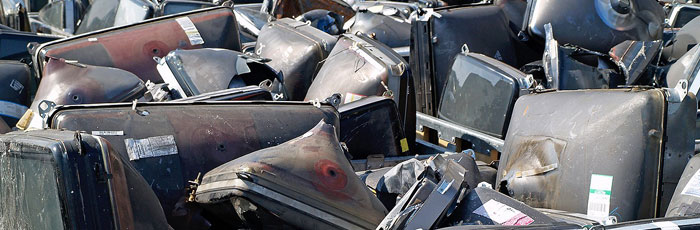
With the URT cathode ray tube separation device, type CRT, the so-called heat wire technology, front- and cone glasses of the cathode ray tube can be separated from each other. Front- and cone glass will be separated at the connecting line of both glasses. The funnel glass is the lead containing, funnel-shaped rear part of glass from the cathode ray tube. A wire made of nickel-chromium alloy will be placed at the connectingline around the screen.
The different glasses will be separated by a heating up and through the consequently resulting tension of the glass connecting line. The fluorescent layer, which could be contaminant-laden, will be manually removed by the integrated vacuum cleaner, after opening the cathode ray tube. Subsequently the different types of glasses and the separated metal parts are transported to a further reutilisation. The fluorescent layer will be pulverulent collected in a collecting container.
Downstream Treatment
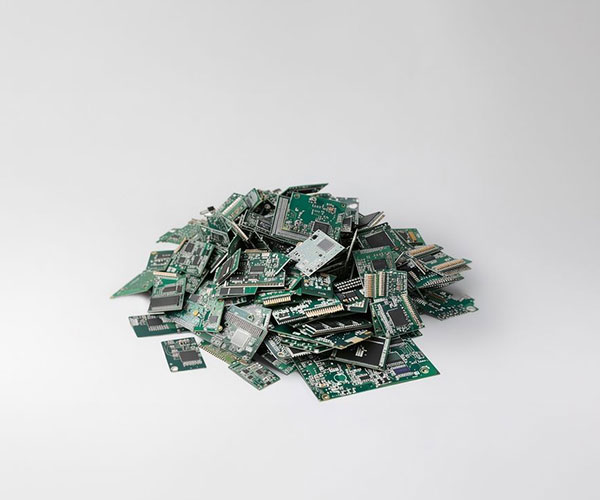
Printed Circuit Boards
-
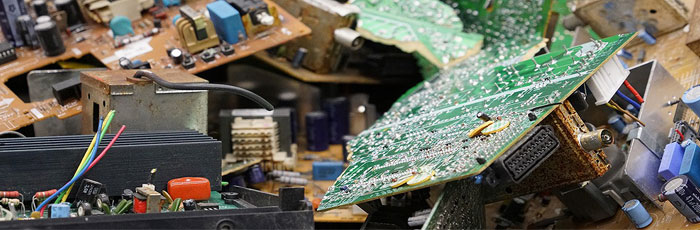
Printed circuit boards are among the most valuable fractions in electronic scrap, containing copper, gold, silver and palladium within a complex composite of polymers, glass fibres and electronic components. Due to this heterogeneous composition, reliable determination of metal content requires controlled material preparation and homogenisation prior to sampling.
URT provides process technology for mechanical preparation and representative sampling of printed circuit boards prior to metallurgical refining. PCB batches are processed through progressive size reduction and controlled sample division, generating representative samples that reflect the original composition and enable reliable determination of metal content.
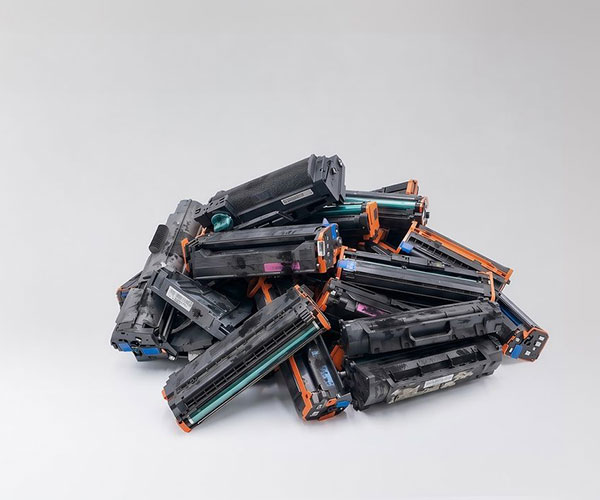
Toner Cartridges
-
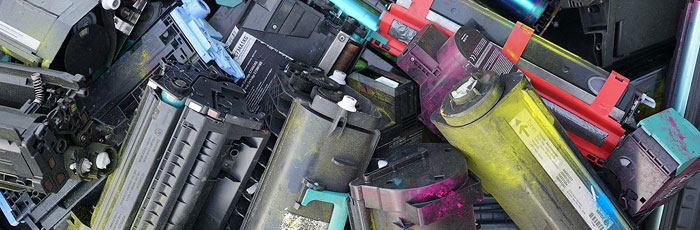
Based on the EU Directive 2002/96/EC, toner cartridges must be removed from printers and copiers prior to treatment due to the health risks posed by toner dust. As many cartridges cannot be refilled due to their design or damage and are often either incinerated or processed in plants with insufficient explosion protection, URT has developed plant concepts that ensure the safe separation of toner powder from the remaining material fractions.
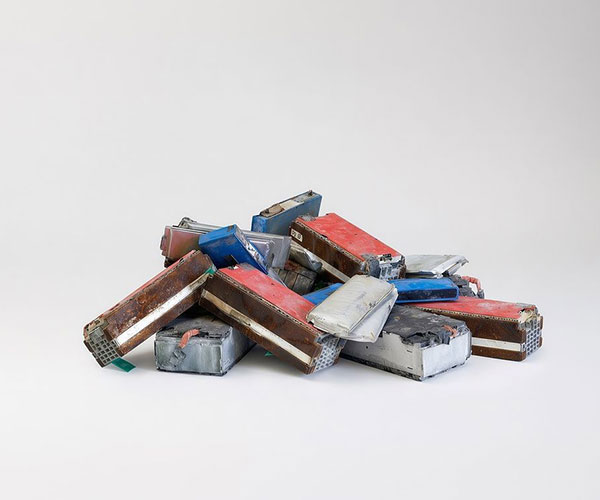
Lithium-Ion Batteries
-
We develop and deliver recycling plants for lithium-ion batteries that combine safe depollution, high recovery rates and economically viable operation. For more than ten years, plant concepts have been developed for a demanding material stream where safety requirements, regulatory frameworks and industrial process stability must be consistently aligned.
The result is modular and scalable solutions adaptable to different cell chemistries, throughput capacities and site specific conditions.
Innovation

-
Our innovations are based on real operational experience. We develop and test technologies together with our customers and validate them in practice.
The development of high-performance recycling solutions for lithium-ion batteries is one of the most recent examples of URT's innovation strength. What began in 2011 as a research initiative has since evolved into a fully established business area featuring industrially proven technology, high recovery rates and strong international demand.

From research initiative to technology platform
-
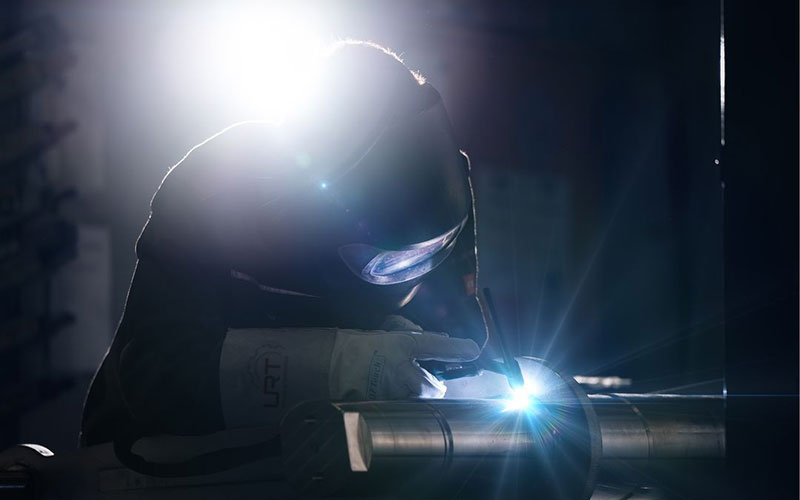
The foundation for today's lithium-ion battery recycling plants was laid in the LithoRec II project. In close cooperation with partners from industry and science, URT developed a prototype plant enabling controlled shredding of battery modules under inert gas - addressing one of the most critical challenges in lithium-ion battery processing. The insights gained formed the basis for future treatment steps.
Industrial-scale implementation with technical depth
-
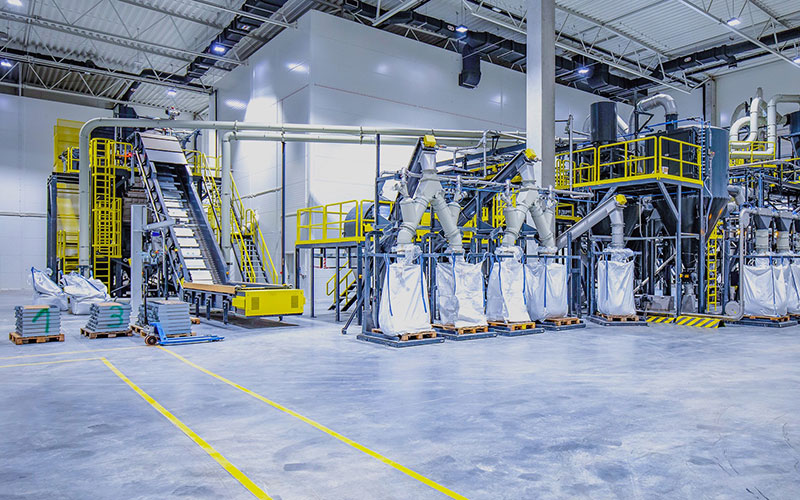
In 2020, the process was optimized under industrial conditions in a pilot project for Volkswagen AG - including material handling, product purity and automation. Since 2021, URT has been delivering turnkey plants at series level: adaptable to throughput, cell chemistry and regulatory requirements, with over 98% recovery of black mass.
Leveraging cross-industry know-how
-
A key differentiator lies in the transferability of our expertise from refrigeratorrecycling. Proven technologies suchas inert gas shredding, airlock- basedfeed mechanisms and emission controlsolutions were successfully adapted - increasing not only plant safety butalso accelerating development speedsignificantly.
Turnkey plants in operation worldwide
-
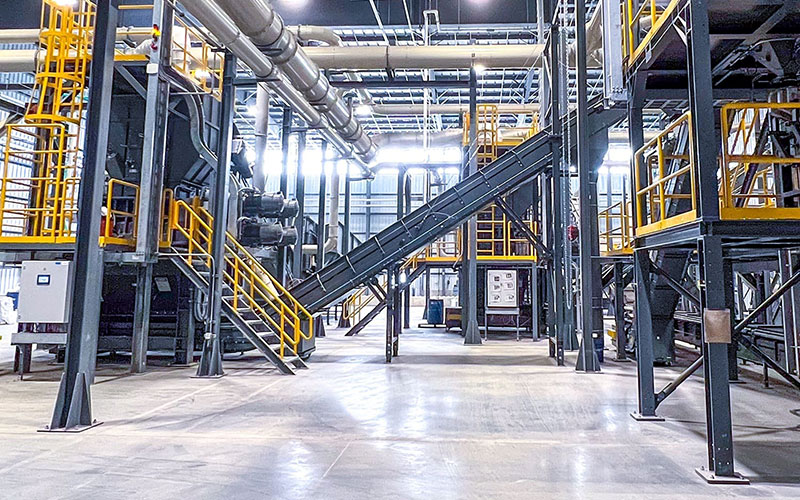
URT's lithium-ion platform provides scalable plant concepts for a wide range of technical, operational and regulatory requirements. Each plant is individually engineered and implemented with a modular design, enabling future expansion - resulting in solutions that are technically robust and economically viable.
Services
- We consult about, plan and build lithium-ion battery recycling plants – tailored to our customer’s business objectives and in compliance with local regulatory requirements.
Engineering
-
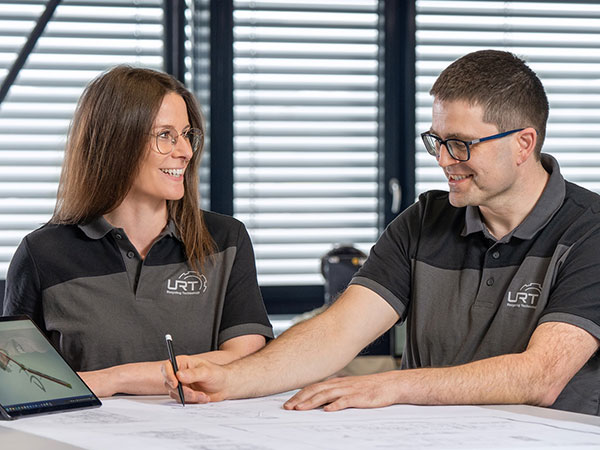
Every successful project begins with a thorough understanding of the task at hand. We analyse material flows assess site-specific conditions and work closely with our customers to develop the best solution. In doing so, we take all technical, economic and regulatory factors into account - from economic feasibility studies and regulatory assessments to permitting readiness.
Design
-
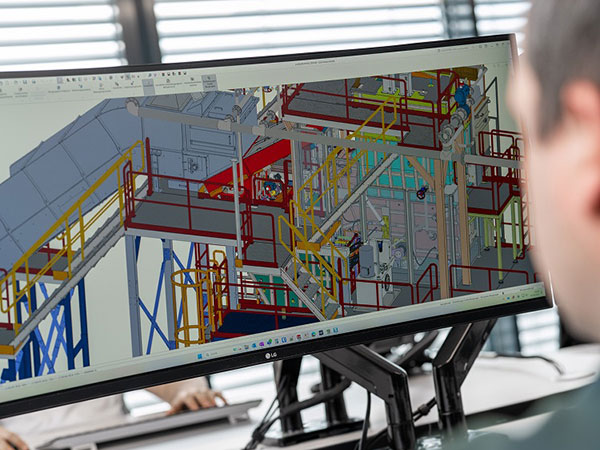
URT designs recycling systems with a clear focus on efficiency, safety and durability. Each solution is developed through close integration of process engineering, depollution, automation and plant design - tailored to the input materials and the customer's objectives.
Comissioning
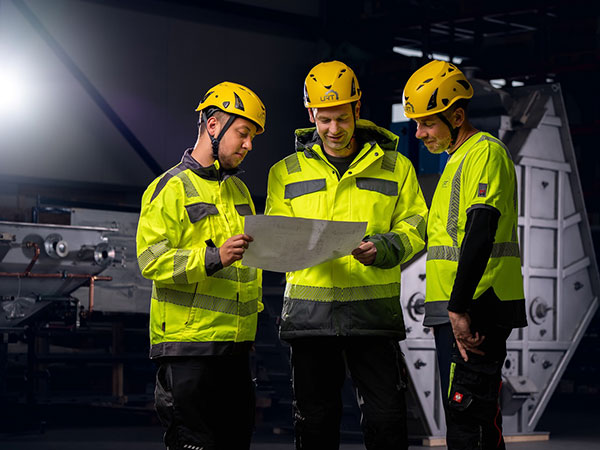
- URT commissions plants with its own team of experienced specialists. After commissioning, we hand over a fully functional recycling solution that is precisely tailored to the customer's requirements. An essential part of this phase is the thorough training of the customer's personnel by our specialists to ensure safe, efficient and autonomous operation from day one.
Operation, Maintenance and Upscaling

After Sales and Support
-
Our after-sales approach is based on short response times, technical expertise, and clearly structured processes. To ensure that your plant operates efficiently and economically over the long term, we work closely with our customers to analyse current workflows and identify optimisation potential - including options for reusing existing equipment.
Our support team consists of the same electrical, mechanical, and process engineers who were typically involved in the planning, construction, or commissioning of the plant. Their detailed knowledge enables direct, solution- focused support - without detours or interface issues. Thanks to our modern spare parts logistics system, we are able to supply genuine URT components quickly and globally - ensuring maximum system availability and minimal downtime.

Shredding Tech. and Cutting Units Support
-
Shredding is a key element of URT's process technology. The shredding result
influences the downstream separation technology and the throughput rate and is
therefore crucial for an optimal recycling process.
Further Consulting and Upscaling
-
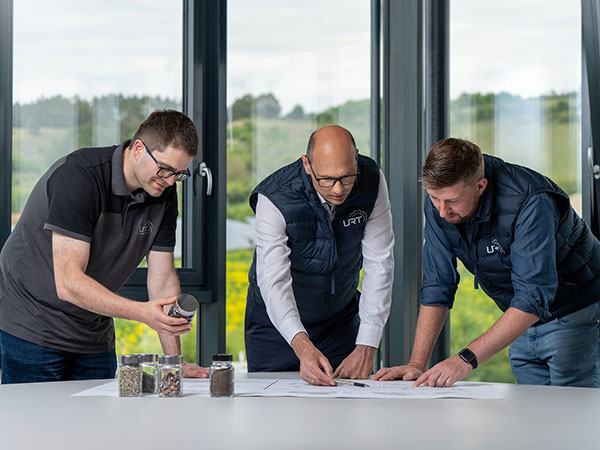
Recycling markets are evolving, driven by increasing volumes and changing regulatory requirements. URT considers future expansion scenarios from the early project stages through modular plant design and flexible process control. This enables the customer's plant to be expanded, reconfigured or upgraded at a later stage on existing operations. Technical evaluation, process engineering and integration into existing infrastructure can also be carried out during live operation.